
Unlock Seoul (South korea) ‘s Best-Kept Secrets: List of 9 archaeological sites

Welcome to Seoul (South korea) . Whether you’re a local or a visitor, we have a list of 9 top archaeological sites you must see. Discover 9 hidden archaeological sites gems to experience Seoul (South korea) like a local. Get ready to be amazed by 9 incredible archaeological sites that will leave a lasting impression.
Information about Seoul (South korea)
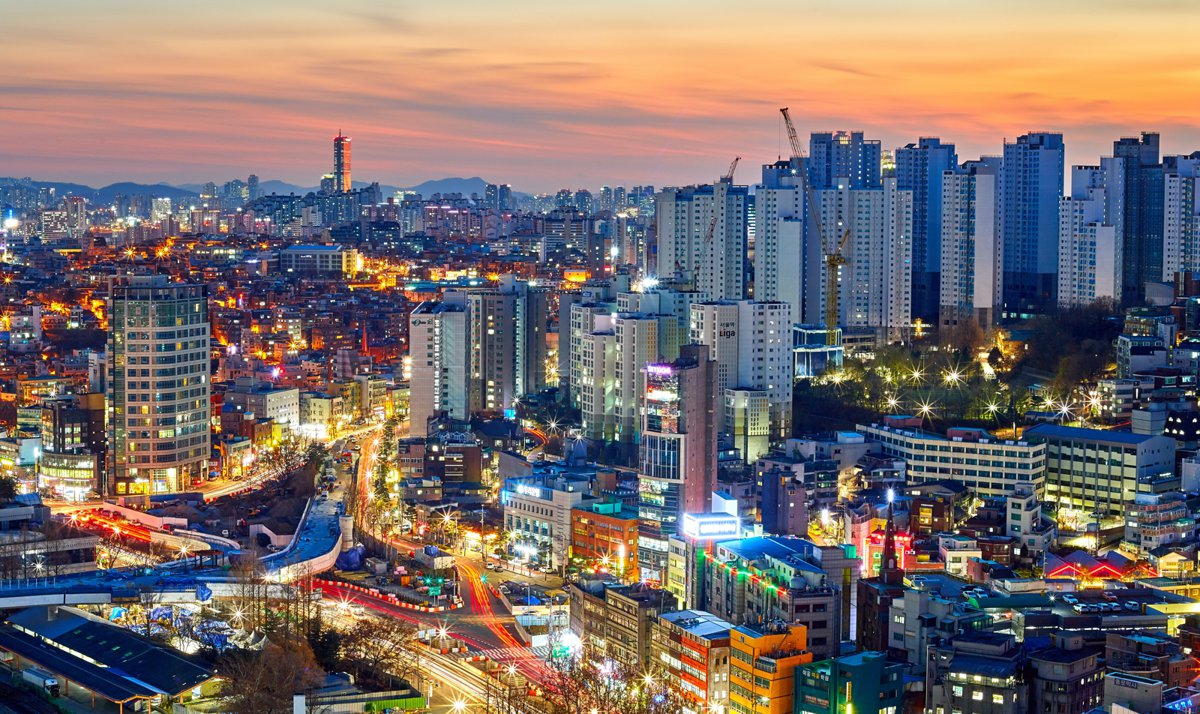
Seoul is the capital and largest city of South Korea, and it is world-famous for being a city of modern skyscrapers, ancient Buddhist temples, popular culture, bustling markets, lush gardens, high mountains, and authentic ancient architecture. It is also the commercial and cultural center of the country, and has worked hard over the past years to become an urban model. Attractive to gardens, culture and design, today it abounds with picturesque gardens, wide green spaces, elegant shops, trendy restaurants and cafes, and although it is a modern and technologically pioneering city, the fragrant past also smells of it in the sites listed on the UNESCO World Heritage List and interesting historical and archaeological monuments.
A list of the best Archaeological sites in Seoul
Looking for the best archaeological sites spots in Seoul (South korea) ? Our curated list features the most exceptional destinations, meticulously selected by our team, and based on the experiences of fellow travelers. Start planning your next adventure with us.
1- Seoul City Wall

Seoul City Wall – The city wall of Seoul was built in 1396 around the city during the Joseon Dynasty (1392-1897). It extends for 18.6 km along the mountain ranges of Bugaksan, Mount Naksan, Namsan Mountain and Inwangsan Mountain. There are originally eight gates built between 1396-1398 AD, but only six of them still stand to this day. The northern, southern, eastern and western wall gates are known as the “Four Great Gates”, while the northwest, northeast, southwest and southwest gates are known as the “Great Four Gates”. The four sub gates.
Place address: 622-83 Changsin-dong, Jongno-gu, Seoul, South Korea
Click here to go to the coordinates of the place on Google Map
Looking for more : The best Archaeological sites in Seoul
2- Seokpajeong

Seokpajeong – Seokpagong was once the royal villa of Heungseon Daewongun; Emperor Gojong’s father, now located within the grounds of the Seoul Museum, which strives to preserve the beauty of the traditional villa building that boasts stunning views of the natural surroundings and exquisite architecture that highlights the taste of Korean ancestors in architecture.
Place address: Buam-dong, Jongno-gu, Seoul, South Korea
Click here to go to the coordinates of the place on Google Map
Looking for more : The best Archaeological sites in Seoul
3- Donhwamun

Donhwamun – Donhwamun Gate is the main gate at the entrance to Changdeokgung Palace. It was originally built in 1412 during the twelfth year of King Taejong’s reign. The gate was destroyed and set on fire by the Japanese during the Imjin War in 1592. It was rebuilt and restored to its original appearance. The current period was between 1607 and 1609 during the reign of King Gwanghaegun. The gate has a simple two-story wooden design, and the passages that visitors use today were constructed in the 1890s and originally used only by royal chariots. Today, the gate remains one of the oldest existing main palace gates.
Place address: Waryong-dong, Jongno-gu, Seoul, South Korea
Click here to go to the coordinates of the place on Google Map
Looking for more : The best Archaeological sites in Seoul
4- Mongchontoseong Fortress

Mongchontoseong Fortress – Mongchontoseong Castle refers to the remains of earthen fortifications from the Baekje period, which were built around the third or fourth century AD. The castle is located inside the Olympic Park, and has a circumference of about 2.7 km. In the area there is a walking path of 2.4 km that is open to the public. There is also a history museum in the vicinity of the castle. It displays huts dating back to the beginning of the Baekje Dynasty, as well as artifacts discovered during excavations.
Place address: 424 Olympic-ro, Oryun-dong, Songpa-gu, Seoul, South Korea
Click here to go to the coordinates of the place on Google Map
Looking for more : The best Tourist castles in Seoul
5- Seolleung and Jeongneung Royal Tombs

Seolleung and Jeongneung Royal Tombs – The royal tombs of Seolung and Jeongneung refer to the tombs of King Seongjong; the ninth king of the Joseon Dynasty, Queen Jeonghyeon; King Seongjong’s second wife, and their son, King Jungjong. These tombs were designated a UNESCO World Heritage Site in 2009, cementing their status as historical relics, and serving as an ideal place for the public to enjoy a picnic in nature.
Place address: 1 Seolleung-ro 100-gil, Samseong-dong, Gangnam-gu, Seoul, South Korea
Click here to go to the coordinates of the place on Google Map
Looking for more : The best Archaeological sites in Seoul
6- Achasan

Achasan – Mount Achasan is 295.7 meters high and stretches from Seoul to Gori. It is a very popular hiking spot for locals and tourists alike. It takes about 40 minutes to climb to reach the summit, which offers a stunning panoramic view of the Han River, Seoul and the surrounding areas. Twenty forts were discovered along the mountain, and their origin was estimated to date back to the Three Kingdoms era. Research indicated that some of the ruins were actually part of a military fortification that was built during the Goguryeo era. In light of these findings, the mountain was officially designated as a historical site in 2004. .
Place address: Achasan, Gyomun 1(il)-dong, Guri-si, South Korea
Click here to go to the coordinates of the place on Google Map
Looking for more : The best Natural areas in Seoul
7- Namsangol Hanok Village

Namsangol Hanok Village – The Namsangol Hanok Village is a group of five hanok (traditional Korean houses) dating back to the Joseon Dynasty (1392-1910), retrieved from different parts of the city and moved to the northern foot of Namsan Mountain. The interiors of each of these five houses reflect the different strata of society, from class to Central to high-ranking government officials, nobles and aristocrats, visitors can participate and enjoy traditional Korean activities and performances.
Place address: 28 Toegye-ro 34-gil, Pil-dong, Jung-gu, Seoul, South Korea
Click here to go to the coordinates of the place on Google Map
Looking for more : The best Archaeological sites in Seoul
8- Heon-Inleung

Heon-Inleung – Heoninlong is a UNESCO World Heritage Site and the burial place of a couple of kings and queens of the Joseon Dynasty. The name of the site is a combination of the names of the two separate tombs, Heonleung and Inleung; The tombs of King Taejong of Joseon III and his wife, Queen Wongyeong. This site is unique in that it houses two kings born more than 400 years ago. Visitors to Heuninlong can see examples of early and late royal tombs of the Joseon Dynasty. There is weekly talk about Cemeteries every Saturday. On Lunar New Year’s Day, traditional performances are held in Huininlong for the public to enjoy.
Place address: South Korea, Seoul, Naegok-dong, 서울특별시 서초구 헌인릉길 36-10
Click here to go to the coordinates of the place on Google Map
Looking for more : The best Archaeological sites in Seoul
9- Bosingak

Bosingak – Boshinggak is the pavilion that houses the giant hanging bell that was made in 1986 and was used during the Joseon Dynasty to indicate the time. The bell was rung 33 times at four in the morning, indicating the start of the day and the opening of the city gates, and at ten in the evening, The bell rings 28 times and the gates are closed at night. The bell was originally located at Wongaksa Temple in 1468, but was moved to its current location in 1619. The original bell has high cultural value and is preserved today in the National Museum of Korea, where tourists and locals can visit. Both enjoy commemorating history with a one-hour bell-ringing ceremony daily (except Mondays).
Place address: 54 Jong-ro, Gwancheol-dong, Jongno-gu, Seoul, South Korea
Click here to go to the coordinates of the place on Google Map
Looking for more : The best Archaeological sites in Seoul
Conclusion
We hope our guide has inspired you to explore the unique and fascinating region of Seoul (South korea) . From its stunning natural wonders to its rich cultural heritage, Seoul (South korea) is a destination that promises to leave you awe-inspired and enriched. We encourage you to take your time and immerse yourself in the local culture, learn about the history and traditions of the region, and connect with the people who call it home. Remember that every journey is a personal one, and your experience in Seoul (South korea) will be different from anyone else’s. So, don’t be afraid to follow your instincts, take a detour, and explore the unknown. As you journey through Seoul (South korea) , we invite you to embrace the unexpected and discover the hidden treasures that await. We hope that our guide has been a valuable resource in planning your trip, and we look forward to hearing about your travels. Safe travels, happy exploring, and until next time!